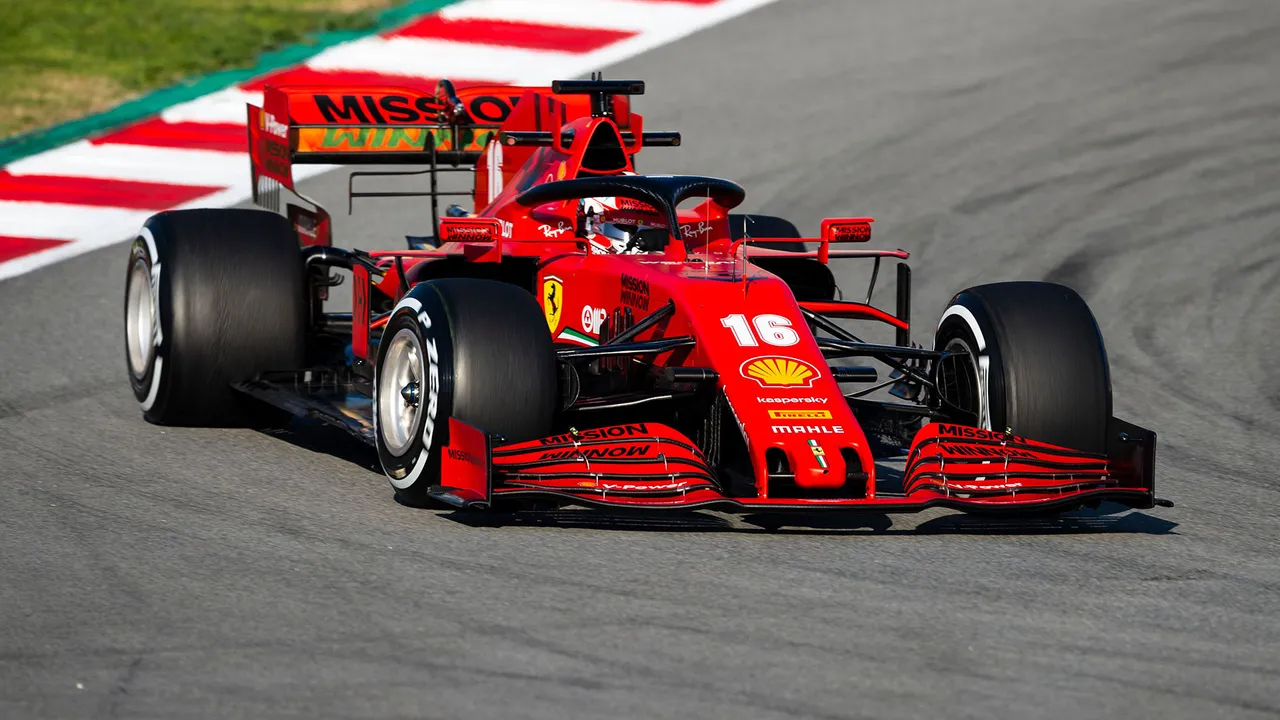
Are you ready to dive into the fast-paced world of motor racing? Formula 1 is the most thrilling motorsport on the planet. Millions of fans tune in each weekend to watch incredible machines race around famous tracks at mind-blowing speeds. Drivers push their limits, and teams work around the clock to build the fastest machines possible. Whether you are brand new to the sport or a lifelong fan, following each grand prix brings pure excitement. From loud engines to tactical pit stops, every race weekend tells a dramatic story full of surprise turns.
Getting started with this global sport is easier than you think. You do not need to be a racing expert to enjoy the high-stakes action. All you need is a basic understanding of how the weekends work, who the key players are, and where the series goes next. In this massive guide, we break down every important detail in simple terms. You will learn how cars are designed, how points are scored, and how drivers prepare for qualifying sessions. Grab your favorite racing jacket and let us jump straight into the fast lane!
What Makes Formula 1 the Pinnacle of Motorsport?
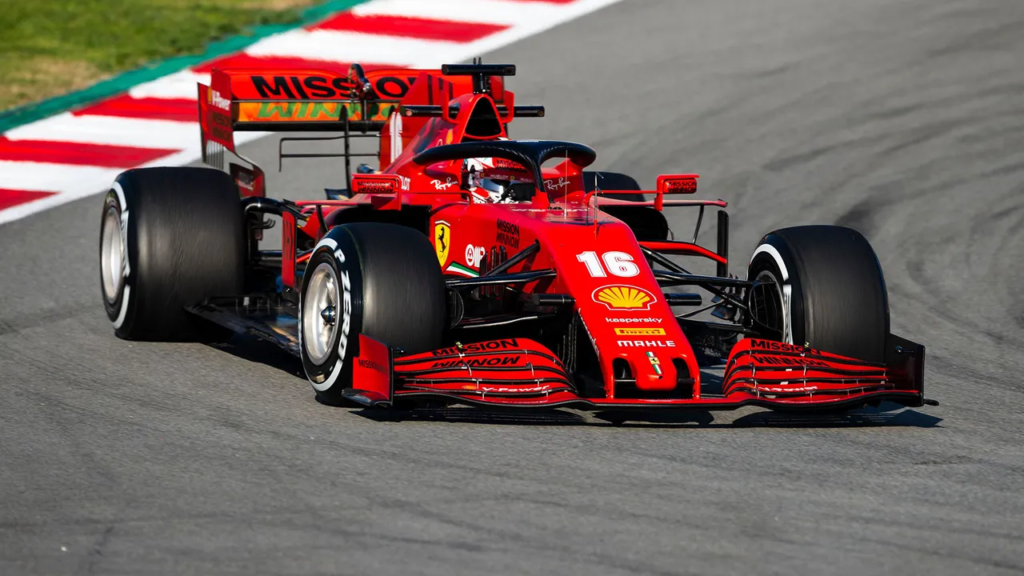
Formula 1 represents the absolute highest level of single-seater auto racing. Top engineers from around the world gather to build lightweight, super-fast vehicles that can handle sharp turns with ease. These cars do not look like regular road vehicles because every panel is designed to push air around the chassis. That downforce glues the car to the asphalt, letting drivers speed through corners at unbelievable rates. It is a sport where tiny fractions of a second decide who wins a trophy and who goes home empty-handed.
Beyond pure speed, the sport is a massive global circus that visits gorgeous cities on multiple continents. Every track offers unique challenges, from tight street circuits lined with concrete walls to wide, permanent tracks with sweeping curves. The global fan base continues to grow every year as fresh audiences discover the human drama behind the helmet visor. When you watch a race, you are witnessing peak athletic endurance combined with cutting-edge science and huge corporate rivalries. It really is the ultimate test of human talent and modern engineering.
How to Follow the Formula 1 Schedule and Race Weekends
Keeping track of the action requires a clear view of the global travel plan. A standard racing season features over twenty separate events held across the year. Fans always look up the latest formula 1 schedule so they never miss a start time. Each race weekend usually spreads over three days, starting with practice runs on Friday. Saturday brings tense battles for starting spots, while Sunday hosts the grand main event. Knowing the event calendar helps you plan watch parties with friends.
When you check the formula 1 race schedule, you will notice events taking place in different time zones every week. One week the cars might speed through Europe, and the next week they fly across the ocean to North America. Teams must package up tons of gear and transport heavy equipment by sea and air. Following the master timetable lets you track these global journeys in real time. It keeps the championship exciting because weather and track conditions change drastically from one country to another.
Unpacking the Formula 1 Standings and Points System
Winning a championship is all about accumulating points steadily across the whole calendar year. At the end of every grand prix, the top ten finishers earn valuable points toward two distinct leaderboards. Fans constantly check the formula 1 standings to see which superstar leads the chase. The driver who crosses the finish line first gets twenty-five points, while second place gets eighteen. Lower positions receive smaller point totals all the way down to tenth place, which earns a single point.
There are actually two major championships calculated during the year. First is the Drivers’ Championship, which awards the single most successful individual racer on the grid. Second is the Constructors’ Championship, which adds up points earned by both cars from each racing team. Winning the team title brings massive cash prizes and major bragging rights for car manufacturers. Checking the table regularly shows you how tight the battle remains as the long season unfolds.
How Speed and Tech Build a Modern Formula 1 Car
A modern single-seater racer is a marvel of human ingenuity and space-age technology. Mechanics build every custom formula 1 car out of lightweight carbon fiber to make it strong yet remarkably light. Underneath the sleek shell sits a complex hybrid power unit that blends a turbocharged internal combustion engine with electric energy recovery. These power units turn waste heat and braking power into extra speed on long straights. This clever combination makes the cars both blisteringly fast and extremely energy-efficient.
Aerodynamics play an equally vital role in how these vehicles handle around tight corners. Engineers use complex wings, underbody tunnels, and small fins to direct air currents over the bodywork. This creates immense downward force, effectively pushing the car toward the track surface. Tires also make or break a team’s strategy. Teams must choose between soft tires that grip well but wear out fast, and hard tires that last much longer. Managing tire wear while driving at top speed is an art form.
Inside the Grid: Star Formula 1 Drivers and Top Formula 1 Teams
The sport attracts the absolute best talent from around the globe. Every year, twenty world-class formula 1 drivers strap themselves into cramped cockpits to battle for glory. These athletes undergo intense physical training to handle extreme g-forces during sharp turns. They need rock-solid neck strength and lightning-fast reflexes to survive split-second decisions. Seeing famous stars battle wheel-to-wheel creates dramatic moments that fans talk about for years.
Behind these amazing athletes stand famous constructor crews. Legendary formula 1 teams like Ferrari, McLaren, Mercedes, and Red Bull spend millions to stay ahead. Hundreds of engineers, strategists, and pit crew workers back up each driver during every lap. A single slow pit stop can ruin an entire weekend of hard work. That is why teamwork remains just as critical as individual driving skill when trophies are handed out.
Understanding Formula 1 Qualifying and Weekend Formats
Before the main race on Sunday, drivers must earn their spots on the starting grid. This high-pressure process is known as formula 1 qualifying, and it takes place on Saturday afternoons. The session splits into three thrilling knockout rounds called Q1, Q2, and Q3. The slowest drivers get eliminated in the early rounds, while the fastest ten battle for pole position. Starting at the front of the pack gives a driver a huge advantage on race day.
In recent years, short sprint races have been added to select event weekends to give fans extra excitement. Sprints are shorter mini-races that award bonus championship points to the top finishers. They offer full-throttle racing without mandatory pit stops, forcing drivers to attack right from the green light. Understanding these weekend structures helps you appreciate the strategic chess match happening behind the wheel. Every lap during practice, qualifying, and sprint sessions matters immensely.
Iconic American Track Days: Formula 1 Miami and Formula 1 Austin
Racing popularity in North America has exploded over recent years. Fans flock to Florida every spring to catch the star-studded formula 1 miami grand prix. Held around a custom street track at Hard Rock Stadium, this event blends luxury party vibes with fierce track battles. Celebrities, musicians, and sports icons gather in the paddocks, making it one of the most stylish weekends on the entire sporting calendar.
Later in the autumn season, Texas hosts another massive American racing spectacle. Thousands of passionate fans head to the Circuit of the Americas for formula 1 austin. This purpose-built track features steep elevation changes, wide passing zones, and a famous hill leading into Turn 1. The lively atmosphere in Texas, combined with great track action, makes it a favorite destination for traveling race fans worldwide. Both US stops bring unique flavor to the sport.
Racing Under the Neon Lights: Formula 1 Las Vegas
Few events on Earth match the pure glamour of the formula 1 las vegas grand prix. Drivers speed directly down the world-famous Strip past iconic neon hotel signs at over two hundred miles per hour. The night race creates stunning TV visuals with sparkling lights reflecting off polished race helmets. It is a high-speed spectacle that transforms Nevada into the center of the motorsport universe for a weekend.
Planning for the modern vegas formula 1 race required massive organization and track construction. Cold night air creates tricky conditions for tires, adding extra tactical challenges for pit wall strategists. Long straightaways allow plenty of overtaking moves, keeping fans on the edge of their seats until the checkered flag drops. If you want an unforgettable sports vacation, watching cars roar past casino lights is hard to beat.
Hollywood Speed: The Big Screen Formula 1 Movie
The roaring sounds of racing engines have officially captivated movie theater audiences across the world. A major blockbuster formula 1 movie project brings the intensity of cockpit driving directly onto silver screens. Hollywood filmmakers used specialized camera mounts attached to real racing vehicles to capture authentic speed views. Famous actors trained alongside professional drivers to make every turn and gear change look realistic. This cinematic venture offers casual viewers an intimate peek inside pit garages and team trailers.
Such feature films help bridge the gap between casual moviegoers and hardcore racing enthusiast communities. Watching high-stakes overtaking scenes on a gigantic screen gives you a real sense of what drivers feel during a race. The movie showcases not just driving talent, but also emotional struggles, team arguments, and victories. It serves as an awesome entry point for anyone curious about how high-pressure racing works. Check your local theater listings to experience the action up close!
Staying Updated: Where to Find Formula 1 News Today
Because the sport moves so quickly, keeping up with daily headlines is part of the fun. Dedicated fans routinely search for fresh formula 1 news to track driver transfers and car upgrades. Between races, teams constantly build new aero parts to make their vehicles faster. Reading technical updates gives you great insight into which team holds the upper hand for the coming weekend.
If you want immediate updates, checking formula 1 news today keeps you informed on instant penalty decisions and quotes. Social media channels, official team sites, and independent motor journals report live from the paddock. Following post-race press conferences lets you hear unfiltered commentary directly from podium winners. Staying in the loop ensures you understand paddock drama before the lights go out at the next green flag.
Formula 1 Merch and Culture: Tag Heuer Formula 1 and Lego Formula 1
The racing lifestyle extends far beyond the borders of track asphalt. High-end lifestyle brands have partnered with the sport for decades to create stylish collector items. For example, the popular tag heuer formula 1 watch series combines precision timekeeping with sporty designs. Fans love wearing these durable chronographs to showcase their passion for racing culture in daily life.
Younger fans and hobbyists enjoy building detailed vehicle replicas right at home. The detailed lego formula 1 sets allow kids and adult builders to assemble authentic model cars brick by brick. These detailed toy kits feature working steering, movable pistons, and real racing liveries. Building a brick model helps fans understand how wings and suspension systems fit together on real vehicles. It is a fun, hands-on way to connect with your favorite motor team during off-weeks.
Looking Ahead: What to Expect from Formula 1 2026
The sport is stepping into a bold new era with massive rule changes on the horizon. Fans are eagerly checking the formula 1 2026 schedule to see how the expanded calendar shapes up. New technical guidelines force teams to create more sustainable, lighter cars with active aerodynamics. Engines will rely heavily on fully sustainable synthetic fuels and stronger electric power output. These changes promote greener racing while keeping track speeds fast and competitive.
Major automotive manufacturers are joining the grid, creating fresh rivalries across the board. Preparing for formula 1 2026 has required teams to redesign their chassis concepts completely from scratch. Fans can expect closer wheel-to-wheel racing and unpredictable race outcomes as teams adapt to the fresh rulebook. The future of global motor racing looks brighter, cleaner, and more competitive than ever before.
Detailed Overview Table: Formula 1 Fast Facts
| Category | Key Details & Highlights |
| Governing Body | FIA (Fédération Internationale de l’Automobile) |
| Season Duration | March to December (24 global rounds) |
| Car Engine Specs | 1.6L V6 Turbo Hybrid running 100% sustainable fuel |
| Top US Destinations | Miami, Austin (COTA), and Las Vegas |
| Weekend Format | Practice (Fri), Qualifying (Sat), Main Race (Sun) |
| Point Allocation | 25 points for 1st place down to 1 point for 10th place |
| Popular Merchandise | Tag Heuer watches, Lego construction sets, team apparel |
Frequently Asked Questions (FAQs)
What is the basic rule of Formula 1 racing?
Drivers compete to complete a set number of laps around a closed circuit in the fastest time possible. Teams must follow strict rules regarding car design, fuel, tire usage, and track safety.
How do drivers earn points in a race?
Points are awarded to the top ten drivers who finish the grand prix. First place earns 25 points, second gets 18, third gets 15, and points decrease down to 1 point for tenth place.
How fast can a Formula 1 car actually go?
Cars can reach top speeds over 220 mph (350 km/h) on long straightaways. They can also accelerate from 0 to 60 mph in roughly 2.6 seconds.
Why are pit stops so short in motor racing?
Pit crews train daily to change all four tires in roughly two seconds. Every split-second saved in the pit lane helps keep the driver ahead of rivals on track.
What is the difference between qualifying and the main race?
Qualifying takes place on Saturday to determine the starting grid order based on single fast lap times. The main race occurs on Sunday, where drivers race head-to-head for total distance.
Where can I check live race results?
You can find official live timing and updated formula 1 results on the official series app, website, or major sports news platforms right after each session ends.
Final Thoughts: Join the Racing Excitement Today!
Formula 1 is far more than just cars driving around in circles. It is a breathtaking combination of human bravery, cutting-edge engineering, and high-stakes drama played out across the globe. Every race weekend brings new rivalries, tactical battles, and unforgettable overtaking moves. Now that you understand how qualifying works, how points are scored, and where to track headlines, you are fully prepared to enjoy the next grand prix!
Pick a favorite driver or team, check the weekend schedule, and tune in for the next green flag. Share your favorite race moments with friends, or jump into online fan communities to discuss paddock updates. What team are you rooting for this season? Get ready, turn up the volume, and enjoy the speed!