Hey football fans! Have you ever sat on the edge of your couch during a tied football game? Your heart beats fast. The clock hits zero. You wonder, what are the nfl overtime rules now? You are not alone. Football rules can change fast. In fact, the league made a massive change recently that affects how games end.
If you want to know how do nfl overtime rules work, you came to the right place. We will break down the current nfl overtime rules in a way that is super easy to understand. No confusing sports talk here. Just the simple facts you need to enjoy the game. Let us dive into the details of the new nfl overtime rules together!
What Are the New NFL Overtime Rules?
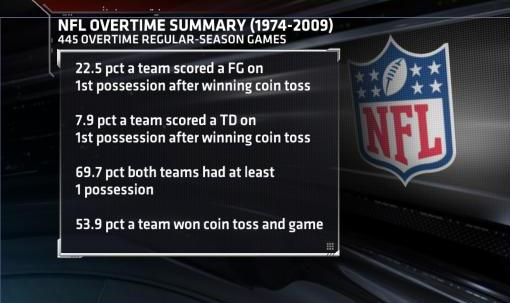
The NFL changed things up to make the game more fair for everyone. For a long time, fans were mad about the old system. If a team won the coin toss, they could score a touchdown right away. If they did, the other team lost without ever touching the ball. That felt unfair.
So, what are the new nfl overtime rules exactly? The big update is all about fairness. Now, both teams are guaranteed a chance to possess the football. Even if the first team scores a touchdown, the other team gets a turn. This major nfl overtime rules change keeps the game alive longer and creates way more excitement for the fans at home.
How the 2025 and 2026 Rules Keep Things Fair
The league officially brought these major changes to the entire season. The nfl overtime rules 2025 update made sure that the regular season matches the high-stakes playoffs. This means the 2025 nfl overtime rules are designed to give both offenses a fair shot at winning the game on the field.
As we head into the latest season, the nfl overtime rules 2026 guidelines remain exactly the same. The league saw how much fans loved the fairness of the new nfl overtime rules 2025 format. Because of that success, the nfl overtime rules current settings ensure that a lucky coin toss will no longer decide who wins a football game.
Regular Season NFL Overtime Rules Broken Down
When it comes to a standard weekly game, time is a big factor. The regular season nfl overtime rules state that the extra period is only 10 minutes long. This short clock is chosen to protect players from getting too tired or hurt during the long year.
Under the standard nfl overtime rules regular season blueprint, a brief three-minute break happens before play starts. Then, a coin toss decides who gets the ball first. Remember, because the clock is short, the nfl overtime rules regular season allow for a game to end in a tie if nobody wins before the 10 minutes run out.
NFL Overtime Rules Playoffs vs Regular Season
Playoff football is a completely different beast because someone has to move on. The nfl overtime rules playoffs state that games can never end in a tie. If the score is even after the first period, the teams just keep playing more periods until someone scores and wins.
Also, the periods are longer in the postseason. Instead of 10 minutes, playoff extra periods last for a full 15 minutes. While the nfl overtime rules current system ensures both teams get the ball in both formats, the playoff version gives teams much more time to execute their strategies.
Complete NFL Overtime Breakdown Table
To make things simple, here is a complete guide to help you see the differences at a glance.
| Rule Feature | Regular Season Rules | Playoff Rules |
| Period Length | Strict 10 minutes | 15 minutes per period |
| Can it End in a Tie? | Yes, if tied after 10 minutes | No, play continues until a winner emerges |
| Guaranteed Possession | Both teams get a chance to hold the ball | Both teams get a chance to hold the ball |
| Number of Timeouts | 2 timeouts per team | 3 timeouts per half (every 2 periods) |
| Coin Toss Rules | One toss at the start of overtime | Toss at start, and another if 4 periods pass |
| Coach’s Challenges | None allowed (Replay official handles all) | None allowed (Replay official handles all) |
What Is the NFL Overtime Rules Strategy?
With both teams guaranteed the ball, coaches have to think differently now. In the past, winning the coin toss meant you always chose to receive the ball. Now, some coaches might want to kick the ball away first.
Why would a coach want to defend first? If you defend first, you will know exactly what you need when you get the ball. If the first team scores a field goal, you know a touchdown wins it for you. This switch shows how much the what is the nfl overtime rules update changed the actual chess match of football.
When Did NFL Overtime Rules Change?
If you are wondering when did nfl overtime rules change, the journey happened in steps. The league first shortened the extra period from 15 minutes to 10 minutes back in 2017. They did this because playing 15 extra minutes made players too sore for the next week.
The next major shift happened after a famous 2021 playoff game between the Chiefs and the Bills. The Bills never got to touch the ball in overtime, which made everyone upset. That moment triggered the change for the playoffs, which eventually became the new nfl overtime rules 2025 standard for the regular season too.
A Quick Look at NFL Overtime Rules History
The nfl overtime rules history is actually quite long. For many decades, the NFL did not even have extra time for regular games. If the game ended in a tie, it just stayed a tie! The league finally added a 15-minute sudden-death period in 1974.
Back then, the rule was truly “sudden death.” The very first score of any kind ended the game instantly. Over the years, the league realized that strategy relied too much on luck. Looking back at history helps us see why the what is nfl overtime rules conversation is always evolving to protect player safety and athletic fairness.
Timeouts and Replay Reviews in Extra Time
Managing the clock is very important when a game goes past the fourth quarter. In the regular season, each team only gets two timeouts. If you waste them early, you might run out of time to stop the clock at the end of the period.
Instant replay is also handled differently. Coaches are not allowed to throw their red challenge flags during extra time. Every single review is initiated by the replay official up in the booth. This keeps the game moving fast so players do not stand around getting cold.
What Happens if a Safety Occurs?
There is one rare exception to the guaranteed possession rule. If the team that receives the opening kickoff gets tackled in their own end zone, that is a safety. A safety gives two points to the defending team.
If a team scores a defensive safety on the very first drive, the game ends immediately. The kicking team wins right there. This is because the team with the ball had their chance, but they gave up points instead. It is rare, but it is one of the coolest ways an extra period can end.
Frequently Asked Questions
Can an NFL regular season game end in a tie?
Yes. If the 10-minute extra period ends and the score is still equal, the game officially ends as a tie.
How many timeouts do teams get in overtime?
Teams get two timeouts during a regular season extra period. They get three timeouts per half during playoff extra periods.
Does a field goal on the first drive end the game?
No. Under the current nfl overtime rules, the second team always gets a chance to match or beat that score.
Can coaches challenge a play in extra time?
No. All replay reviews are called by the official replay booth to keep the game fair and moving quickly.
What happens if the second team throws an interception?
If the second team loses the ball on a turnover, the game ends immediately if the first team is already leading.
Are there any onside kicks allowed in overtime?
By rule, teams cannot attempt a standard onside kick during an extra period because of possession laws.
Conclusion: Ready for the Next Big Finish!
Now you know exactly what are nfl overtime rules and how they protect the integrity of the sport. Whether you are watching a regular season matchup or the Super Bowl, you can confidently explain the clock and possession rules to your friends. These changes make the game much more balanced and fun to watch.
What do you think about the guaranteed possession format? Do you think it is fair, or do you prefer old-school sudden death? Let us know your thoughts, and enjoy the next big game!